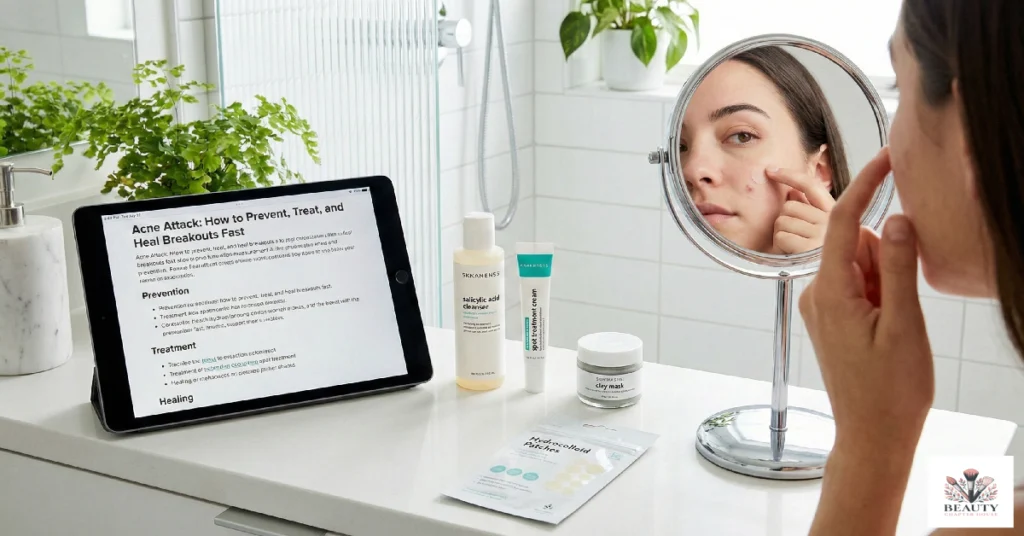
Acne is one of the most common skin concerns worldwide, affecting teenagers and adults alike. While it is often associated with adolescence, adult acne is increasingly common due to stress, hormonal changes, lifestyle habits, and improper skincare. Acne not only affects physical appearance but can also impact self-confidence and emotional well-being.
The good news is that acne is manageable. With the right understanding, consistent care, and patience, you can prevent breakouts, treat active acne, and heal your skin effectively.
Understanding Acne: Why Breakouts Happen
Acne develops when hair follicles become clogged with oil (sebum), dead skin cells, and bacteria.
Main Causes of Acne
-
Excess oil production
-
Clogged pores
-
Bacteria (Cutibacterium acnes)
-
Hormonal fluctuations
-
Poor skincare habits
-
Stress and diet
Different causes require different treatments, which is why a personalized approach is essential.
Types of Acne Explained
Understanding your acne type helps you choose the right treatment.
-
Whiteheads: Closed clogged pores
-
Blackheads: Open clogged pores
-
Papules: Small red bumps
-
Pustules: Pimples with pus
-
Nodules: Painful deep bumps
-
Cysts: Severe, deep, and inflamed acne
Step 1: Preventing Acne Before It Starts
Prevention is always better than treatment.
Cleanse Properly
-
Wash face twice daily
-
Use gentle, non-comedogenic cleansers
-
Avoid harsh scrubbing
Avoid Touching Your Face
Hands carry bacteria that transfer easily to skin.
Choose Acne-Friendly Products
-
Look for “non-comedogenic” labels
-
Avoid heavy oils and pore-clogging ingredients
Step 2: Treating Active Acne Effectively
Spot Treatments
Use ingredients like:
-
Salicylic acid (unclogs pores)
-
Benzoyl peroxide (kills bacteria)
-
Tea tree oil (natural antibacterial)
Apply only on affected areas.
Avoid Over-Treating
Too many acne products can damage the skin barrier and worsen acne.
Step 3: Healing Acne Without Scarring
Never Pop Pimples
Popping spreads bacteria and causes scars.
Use Soothing Ingredients
-
Aloe vera
-
Niacinamide
-
Centella asiatica
Sun Protection Is Essential
UV exposure darkens acne marks.
Diet and Acne Connection
Certain foods may trigger acne:
-
Excess sugar
-
Dairy
-
Processed foods
Increase:
-
Fruits
-
Vegetables
-
Omega-3 fatty acids
Lifestyle Habits That Affect Acne
-
Poor sleep
-
Stress
-
Dirty pillowcases
-
Excessive makeup
Final Thoughts
Acne is not a sign of poor hygiene—it’s a skin condition that requires patience and care. With consistent prevention, targeted treatment, and healing-focused habits, clear skin is achievable.