Month: December 2025

  • Head-to-Toe Body Care: Secrets for Smooth, Glowing Skin

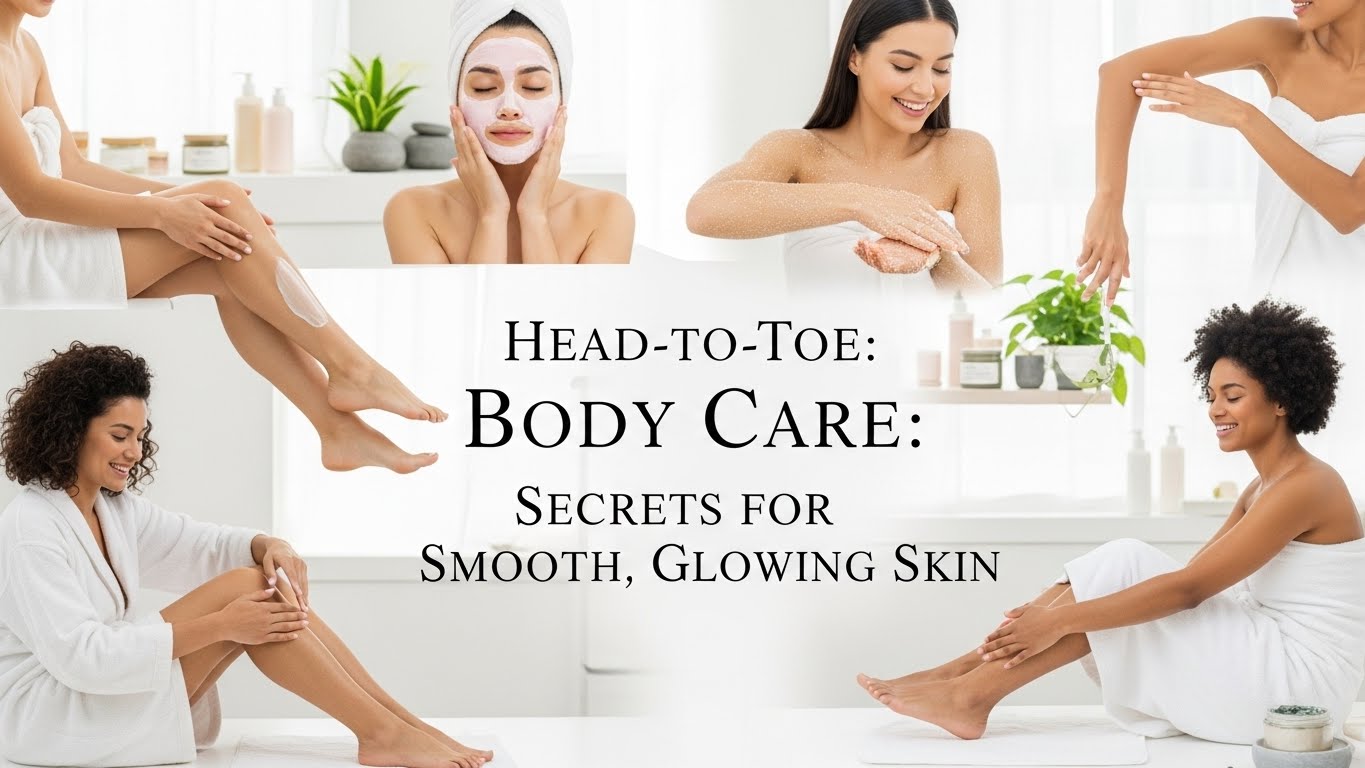
    Head-to-Toe Body Care: Secrets for Smooth, Glowing Skin

    While facial skincare gets most of the attention, body care is equally important. Your body skin faces daily exposure to pollution, friction, weather changes, and dryness. Neglecting it can lead to dullness, rough texture, uneven tone, and premature aging.

    This comprehensive guide reveals head-to-toe body care secrets to help you achieve smooth, healthy, glowing skin all over.

    Why Body Care Matters

    Body skin:

    • Has fewer oil glands than facial skin

    • Loses moisture faster

    • Is prone to dryness and roughness

    Consistent care is essential.

    Step 1: Proper Body Cleansing

    Choose the Right Body Cleanser

    • Creamy washes for dry skin

    • Gel-based for oily skin

    • Avoid harsh soaps

    Shower Tips

    • Use lukewarm water

    • Avoid long showers

    • Pat skin dry instead of rubbing

    Step 2: Regular Exfoliation

    Why Exfoliation Is Important

    • Removes dead skin cells

    • Improves texture

    • Prevents ingrown hairs

    How Often

    • 1–2 times a week

    Types

    • Physical scrubs

    • Chemical exfoliants (AHA, BHA)

    Step 3: Moisturizing Daily

    Best Moisturizers for Body

    • Lotions for normal skin

    • Creams for dry skin

    • Body butters for very dry skin

    Apply moisturizer immediately after showering.

    Step 4: Sun Protection for Body

    Why It’s Important

    • Prevents tanning and pigmentation

    • Slows aging

    • Reduces skin cancer risk

    Apply sunscreen to exposed areas daily.

    Step 5: Targeted Body Care

    Hands and Feet

    • Use thick creams at night

    • Wear cotton gloves/socks

    Elbows and Knees

    • Exfoliate regularly

    • Use richer moisturizers

    Step 6: Body Hair Care

    • Shave or wax gently

    • Moisturize after hair removal

    • Exfoliate to prevent ingrown hairs

    Lifestyle Tips for Glowing Body Skin

    • Stay hydrated

    • Eat nutrient-rich foods

    • Exercise regularly

    • Get enough sleep

    Final Thoughts

    Beautiful body skin doesn’t happen overnight. With consistent care, protection, and nourishment, your skin can stay smooth and radiant from head to toe.

  • Beauty Gadgets Worth Trying: Do They Really Work?

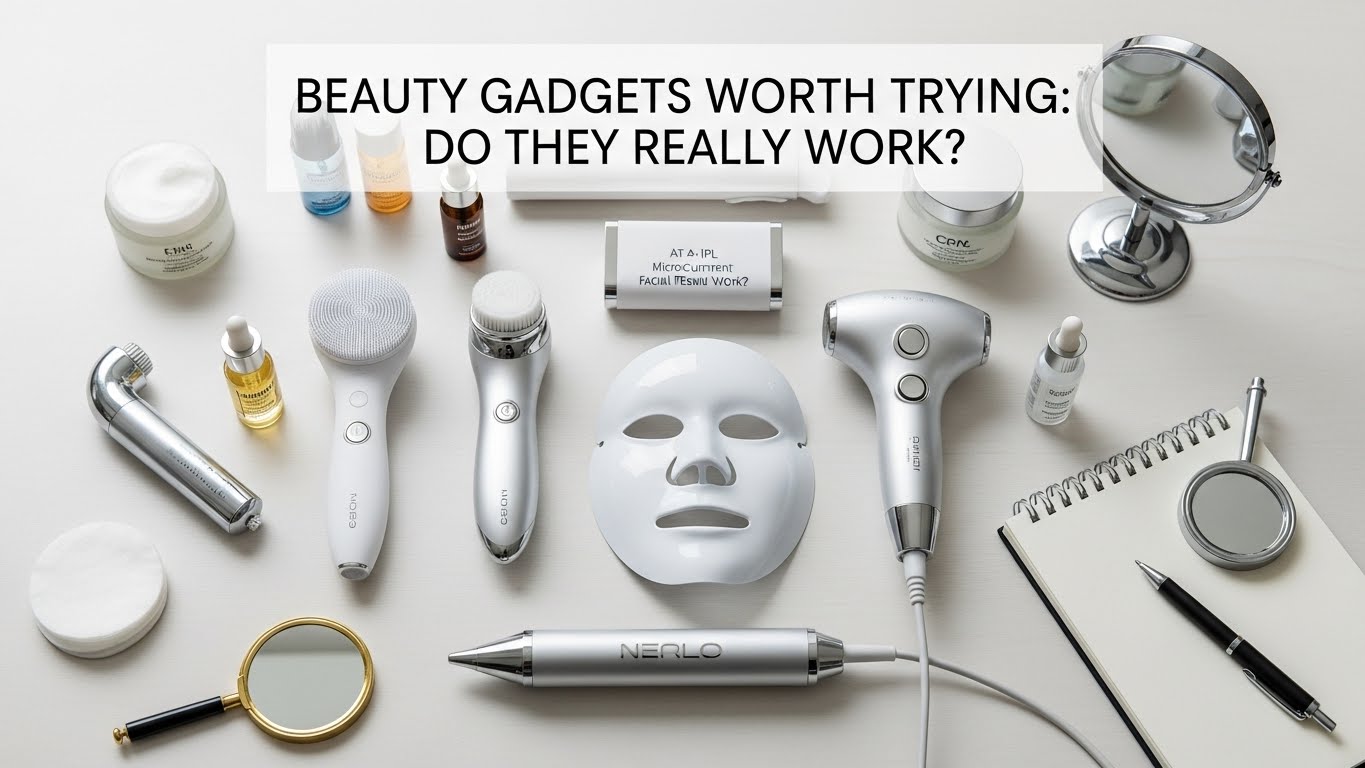
    Beauty Gadgets Worth Trying: Do They Really Work?

    The beauty industry has evolved far beyond creams and serums. Today, beauty gadgets promise spa-like treatments at home—from facial cleansing brushes to LED masks and microcurrent devices. But with so many options available, it’s natural to wonder: do beauty gadgets actually work, or are they just marketing hype?

    This in-depth guide breaks down the most popular beauty gadgets, explains how they work, who they’re best for, and whether they are truly worth your investment.

    Why Beauty Gadgets Are So Popular

    Beauty gadgets appeal to consumers because they:

    • Offer professional-style treatments at home

    • Save time and money in the long run

    • Enhance skincare product absorption

    • Provide visible results with consistent use

    However, results depend heavily on correct usage and realistic expectations.

    1. Facial Cleansing Brushes

    What They Do

    Facial cleansing brushes use gentle vibrations or rotating bristles to cleanse the skin more thoroughly than hands alone.

    Benefits

    • Removes dirt, oil, and makeup residue

    • Gently exfoliates dead skin cells

    • Helps unclog pores

    • Improves skin texture

    Who Should Use Them

    • Oily or combination skin

    • People prone to clogged pores

    Who Should Avoid

    • Very sensitive or acne-inflamed skin

    Verdict: Effective when used 2–3 times a week, not daily.

    2. Jade Rollers and Face Rollers

    How They Work

    Face rollers are used to massage the skin, improving circulation and lymphatic drainage.

    Benefits

    • Reduces puffiness

    • Improves blood flow

    • Enhances product absorption

    • Provides relaxation

    Reality Check

    Results are temporary, but consistent use improves skin appearance.

    Verdict: Worth it for relaxation and de-puffing.

    3. Gua Sha Tools

    What Is Gua Sha?

    An ancient technique using flat stones to massage the face.

    Benefits

    • Improves facial contour

    • Relieves muscle tension

    • Promotes lymphatic drainage

    Proper Usage Matters

    Incorrect technique can cause irritation.

    Verdict: Effective with proper technique and consistency.

    4. LED Light Therapy Masks

    How LED Therapy Works

    Different light colors target specific skin concerns:

    • Red light: Anti-aging

    • Blue light: Acne

    • Yellow light: Brightening

    Benefits

    • Stimulates collagen

    • Reduces acne-causing bacteria

    • Improves skin tone

    Verdict: Clinically backed, but results take time.

    5. Microcurrent Devices

    What They Do

    Microcurrent devices stimulate facial muscles using low-level electrical currents.

    Benefits

    • Lifts and firms skin

    • Improves facial contours

    • Enhances collagen production

    Verdict: Works with consistent, long-term use.

    6. Hair Removal Devices (IPL)

    How They Work

    Use light energy to reduce hair growth.

    Benefits

    • Long-term hair reduction

    • Convenient home use

    Verdict: Effective for suitable skin and hair types.

    Safety Tips When Using Beauty Gadgets

    • Read instructions carefully

    • Don’t overuse

    • Keep devices clean

    • Avoid using on broken skin

    Final Thoughts

    Beauty gadgets are not magic tools—but when used correctly, many are genuinely effective. They work best as supporting tools, not replacements for good skincare habits.

  • The Perfect Beauty Sleep Routine: Nighttime Tips for Gorgeous Mornings

    The Perfect Beauty Sleep Routine: Nighttime Tips for Gorgeous Mornings

    Nighttime is when your body—and your skin—repairs itself. A proper nighttime beauty routine can dramatically improve skin texture, hydration, and overall glow. Unfortunately, many people neglect this crucial part of skincare.

    This detailed guide explains how to build the perfect beauty sleep routine that helps you wake up looking refreshed and radiant.

    Why Nighttime Care Matters

    During sleep:

    • Skin regenerates

    • Collagen production increases

    • Damage repair occurs

    Step 1: Remove Makeup Thoroughly

    Sleeping with makeup clogs pores and accelerates aging.

    Step 2: Cleanse Gently

    Use a mild cleanser to remove impurities without stripping skin.

    Step 3: Nighttime Treatments

    • Serums

    • Retinol (if suitable)

    • Hydrating toners

    Step 4: Moisturize Deeply

    Night creams are richer and help repair skin.

    Step 5: Eye and Lip Care

    These delicate areas need extra attention at night.

    Step 6: Hair and Body Night Care

    • Oil hair lightly

    • Moisturize hands and feet

    Sleep Habits That Improve Beauty

    • 7–9 hours of sleep

    • Clean pillowcases

    • Silk pillow covers

    Common Night Routine Mistakes

    • Skipping cleansing

    • Overusing actives

    • Sleeping late consistently

    Final Thoughts

    Your beauty routine doesn’t end in the morning. Nighttime care is your secret weapon for healthy, glowing skin.

  • Beauty Myths Busted 20 Popular Misconceptions Debunked

    Beauty Myths Busted 20 Popular Misconceptions Debunked

    Beauty does not have to be expensive. While luxury products often promise miraculous results, many affordable beauty practices and budget-friendly products can deliver equally impressive outcomes when used correctly.

    This detailed guide proves that you can look and feel beautiful without overspending, focusing on smart choices, effective routines, and value-driven beauty habits.

    Why Budget Beauty Works

    Good beauty results depend on:

    • Consistency

    • Correct ingredients

    • Proper application

    Not price tags.

    Affordable Skincare Tips

    1. Stick to Basics

    Cleanser, moisturizer, sunscreen—these are enough for most people.

    2. Read Ingredients, Not Labels

    Look for proven ingredients like:

    • Niacinamide

    • Hyaluronic acid

    • Salicylic acid

    DIY Beauty on a Budget

    Simple home remedies:

    • Honey for hydration

    • Oatmeal for exfoliation

    • Aloe vera for soothing

    Budget-Friendly Makeup Tips

    • Use multipurpose products

    • Cream blush doubles as lip color

    • Blend well for a high-end finish

    Hair Care Without Overspending

    • Oil your hair weekly

    • Avoid excessive heat styling

    • Trim regularly at home

    Beauty Tools That Save Money

    • Makeup sponges

    • Reusable cotton pads

    • Wide-tooth combs

    Avoid These Money-Wasting Mistakes

    • Buying trends blindly

    • Hoarding unused products

    • Skipping sunscreen

    Final Thoughts

    True beauty comes from smart habits, not expensive products. Budget beauty is sustainable, effective, and empowering.

  • Beauty Myths Busted: 20 Popular Misconceptions Debunked

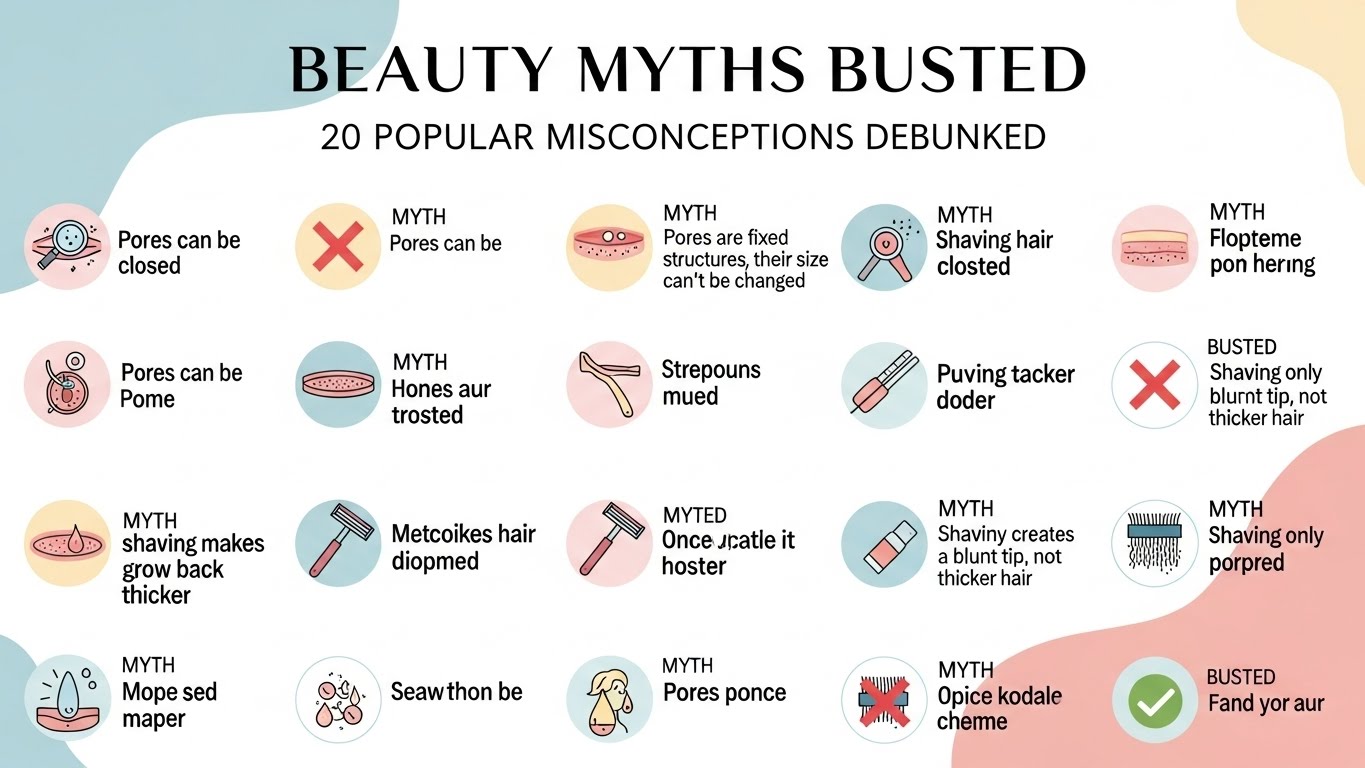
    Beauty Myths Busted: 20 Popular Misconceptions Debunked

    The beauty industry is full of advice—some helpful, some misleading, and some completely false. Over the years, beauty myths have been passed down through generations, social media, and marketing campaigns, often causing confusion, wasted money, and even skin damage.

    In this detailed guide, we will debunk 20 of the most common beauty myths, explain why they are incorrect, and replace them with facts you can trust. Understanding the truth behind these misconceptions will help you make better skincare, haircare, and makeup decisions.


    Myth 1: Oily Skin Doesn’t Need Moisturizer

    Truth: Skipping moisturizer actually makes oily skin worse. When skin lacks hydration, it produces more oil to compensate. Lightweight, gel-based moisturizers help balance oil production.


    Myth 2: Natural Ingredients Are Always Safe

    Truth: Not all natural ingredients suit every skin type. Lemon, baking soda, and essential oils can irritate or damage sensitive skin if used incorrectly.


    Myth 3: You Only Need Sunscreen in Summer

    Truth: UV rays damage skin year-round, even on cloudy days and during winter. Daily sunscreen is essential.


    Myth 4: Drinking Water Alone Gives Perfect Skin

    Truth: Hydration helps, but skincare, diet, sleep, and sun protection also play crucial roles.


    Myth 5: More Products Mean Better Results

    Truth: Overloading skin with products can damage the skin barrier and cause breakouts. Simplicity often works best.


    Myth 6: Popping Pimples Makes Them Heal Faster

    Truth: Popping spreads bacteria, increases inflammation, and causes scarring.


    Myth 7: Expensive Products Work Better

    Truth: Price does not equal effectiveness. Ingredients and formulation matter more than branding.


    Myth 8: Makeup Causes Acne

    Truth: Acne is caused by clogged pores and bacteria. Non-comedogenic makeup does not cause acne when removed properly.


    Myth 9: You Should Exfoliate Daily

    Truth: Over-exfoliation damages the skin barrier. Most skin types need exfoliation only 1–2 times a week.


    Myth 10: Hair Trimming Makes Hair Grow Faster

    Truth: Hair grows from the scalp, not the ends. Trimming prevents breakage but doesn’t speed growth.


    Myth 11: Cold Water Closes Pores

    Truth: Pores don’t open or close. Cold water can temporarily tighten skin but doesn’t change pore size.


    Myth 12: Toothpaste Clears Acne

    Truth: Toothpaste can irritate skin and worsen acne.


    Myth 13: Dark Skin Doesn’t Need Sunscreen

    Truth: Dark skin can still suffer from sun damage and hyperpigmentation.


    Myth 14: Frequent Face Washing Prevents Acne

    Truth: Over-washing strips natural oils and increases breakouts.


    Myth 15: Anti-Aging Products Are Only for Older Skin

    Truth: Prevention should start early—your 20s are ideal.


    Myth 16: Hair Oils Cause Hair Fall

    Truth: Improper washing, not oiling, causes hair fall.


    Myth 17: Makeup with SPF Is Enough

    Truth: Makeup SPF is not applied in sufficient quantity for full protection.


    Myth 18: Scrubbing Removes Blackheads

    Truth: Scrubbing worsens irritation and doesn’t remove blackheads.


    Myth 19: Sunscreen Blocks Vitamin D

    Truth: Normal sun exposure still allows vitamin D production.


    Myth 20: Skin Care Results Are Instant

    Truth: Most skincare takes weeks to show results.


    Final Thoughts

    Understanding the truth behind beauty myths empowers you to care for your skin and hair correctly. Knowledge is the foundation of real beauty.

  • Caring for Sensitive Skin: Tips, Products, and Mistakes to Avoid

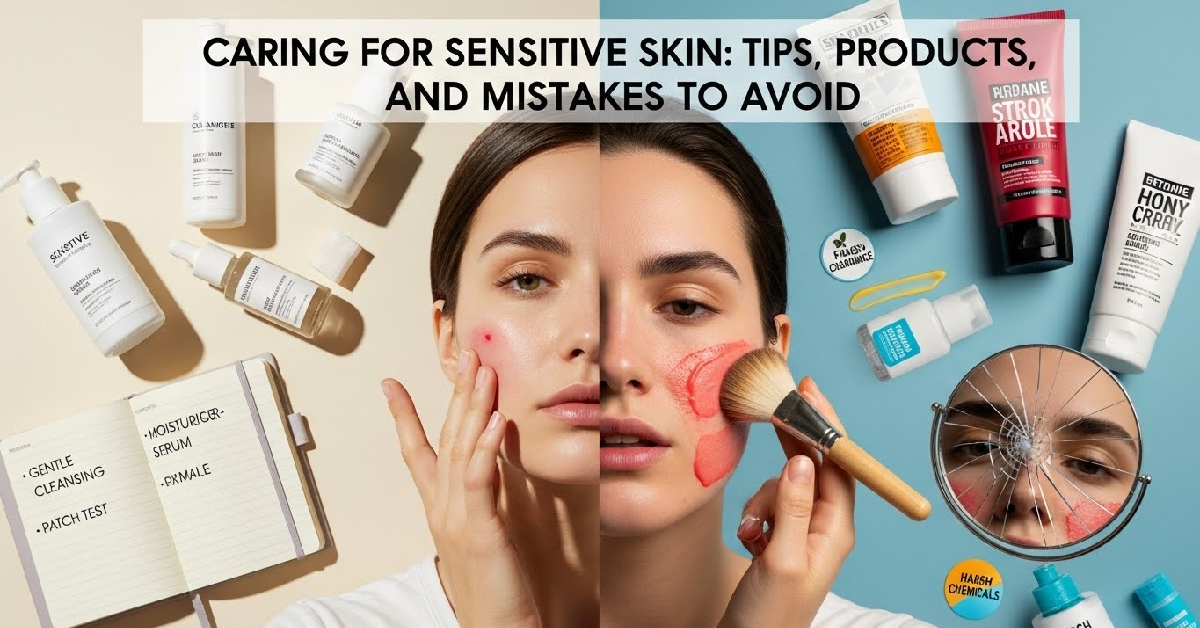
    Caring for Sensitive Skin: Tips, Products, and Mistakes to Avoid

    Sensitive skin reacts easily to products, weather changes, and environmental factors. Redness, itching, burning, dryness, and breakouts are common symptoms. While sensitive skin requires extra care, it can still be healthy, calm, and radiant with the right approach.

    This guide explains how to care for sensitive skin safely and effectively.


    What Is Sensitive Skin?

    Sensitive skin has a weakened skin barrier, making it vulnerable to irritation.

    Common Triggers

    • Fragrance

    • Alcohol

    • Harsh exfoliants

    • Weather changes

    • Stress


    How to Build a Sensitive Skin Routine

    Gentle Cleansing

    • Use fragrance-free cleansers

    • Avoid foaming formulas

    Hydration Is Key

    • Use ceramides

    • Hyaluronic acid

    • Glycerin


    Choosing the Right Products

    Look for labels like:

    • Hypoallergenic

    • Dermatologist-tested

    • Alcohol-free


    Sun Protection for Sensitive Skin

    Use mineral sunscreens with zinc oxide or titanium dioxide.


    Common Mistakes to Avoid

    • Over-exfoliating

    • Trying too many products

    • Ignoring patch tests

    • Using hot water


    Lifestyle Tips for Sensitive Skin

    • Manage stress

    • Eat anti-inflammatory foods

    • Use soft towels

    • Wash pillowcases regularly


    Final Thoughts

    Sensitive skin isn’t weak—it’s just delicate. With gentle care, patience, and the right products, sensitive skin can be healthy and beautiful.

  • The Complete SPF Guide: How to Protect Your Skin Every Season

    The Complete SPF Guide: How to Protect Your Skin Every Season

    Sunscreen is the most important skincare product you can use—yet it’s the most neglected. Many people believe sunscreen is only necessary in summer or during beach vacations, but UV rays damage your skin every single day, regardless of weather or season.

    This complete SPF guide explains everything you need to know about sun protection and how to use sunscreen correctly for healthy, youthful skin.


    What Is SPF and How It Works

    SPF (Sun Protection Factor) measures how well sunscreen protects against UVB rays.

    • SPF 30 blocks ~97% of UVB rays

    • SPF 50 blocks ~98%

    Higher SPF does not mean invincible protection.


    Types of UV Rays

    • UVA: Causes aging and wrinkles

    • UVB: Causes sunburn

    • UVC: Filtered by atmosphere

    Broad-spectrum sunscreens protect against both UVA and UVB.


    Why Sunscreen Is Non-Negotiable

    • Prevents premature aging

    • Reduces pigmentation

    • Protects collagen

    • Lowers skin cancer risk


    Choosing the Right Sunscreen

    By Skin Type

    • Oily skin: Gel-based, oil-free

    • Dry skin: Cream-based, hydrating

    • Sensitive skin: Mineral sunscreen

    By Lifestyle

    • Outdoor activities: Water-resistant

    • Daily use: Lightweight formulas


    How to Apply Sunscreen Correctly

    • Apply 15–20 minutes before sun exposure

    • Use two-finger rule for face and neck

    • Reapply every 2–3 hours


    Common Sunscreen Myths

    • “I don’t need sunscreen indoors” (False)

    • “Dark skin doesn’t need SPF” (False)

    • “Makeup with SPF is enough” (False)


    Seasonal Sun Protection Tips

    • Winter: UV rays still penetrate clouds

    • Monsoon: UVA rays remain active

    • Summer: Increase reapplication


    Final Thoughts


    Daily sunscreen use is the strongest anti-aging and skin-protective habit you can adopt. Make SPF your skin’s best friend—every day, every season.

  • Acne Attack: How to Prevent, Treat, and Heal Breakouts Fast

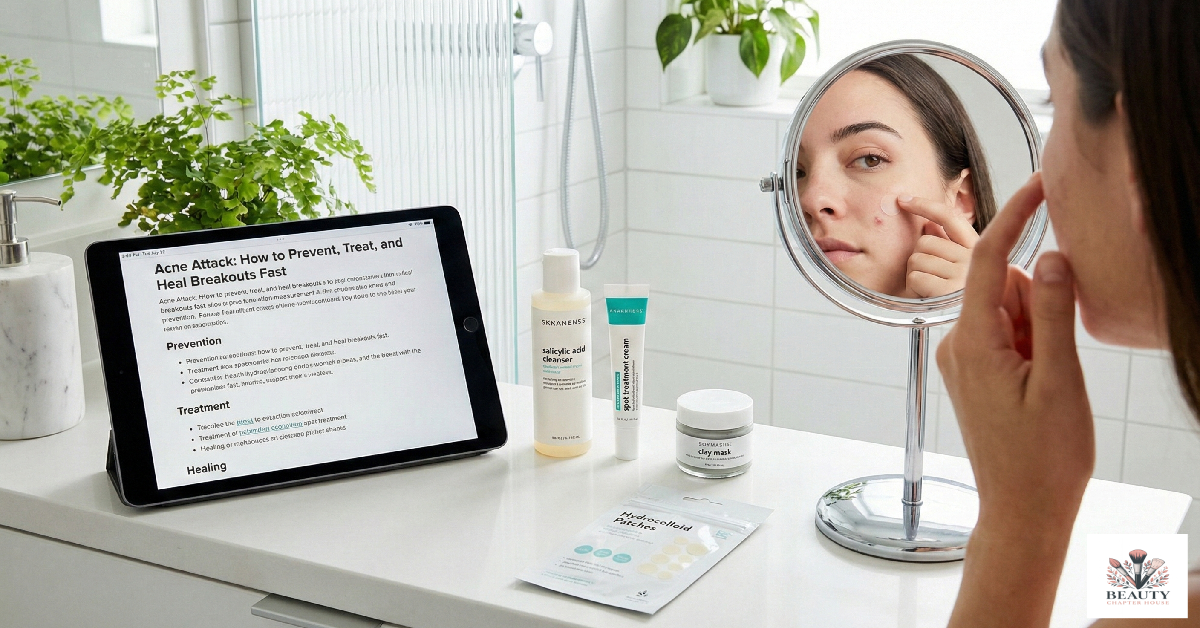
    Acne Attack: How to Prevent, Treat, and Heal Breakouts Fast

    Acne is one of the most common skin concerns worldwide, affecting teenagers and adults alike. While it is often associated with adolescence, adult acne is increasingly common due to stress, hormonal changes, lifestyle habits, and improper skincare. Acne not only affects physical appearance but can also impact self-confidence and emotional well-being.

    The good news is that acne is manageable. With the right understanding, consistent care, and patience, you can prevent breakouts, treat active acne, and heal your skin effectively.

    Understanding Acne: Why Breakouts Happen

    Acne develops when hair follicles become clogged with oil (sebum), dead skin cells, and bacteria.

    Main Causes of Acne

    • Excess oil production

    • Clogged pores

    • Bacteria (Cutibacterium acnes)

    • Hormonal fluctuations

    • Poor skincare habits

    • Stress and diet

    Different causes require different treatments, which is why a personalized approach is essential.

    Types of Acne Explained

    Understanding your acne type helps you choose the right treatment.

    • Whiteheads: Closed clogged pores

    • Blackheads: Open clogged pores

    • Papules: Small red bumps

    • Pustules: Pimples with pus

    • Nodules: Painful deep bumps

    • Cysts: Severe, deep, and inflamed acne

    Step 1: Preventing Acne Before It Starts

    Prevention is always better than treatment.

    Cleanse Properly

    • Wash face twice daily

    • Use gentle, non-comedogenic cleansers

    • Avoid harsh scrubbing

    Avoid Touching Your Face

    Hands carry bacteria that transfer easily to skin.

    Choose Acne-Friendly Products

    • Look for “non-comedogenic” labels

    • Avoid heavy oils and pore-clogging ingredients

    Step 2: Treating Active Acne Effectively

    Spot Treatments

    Use ingredients like:

    • Salicylic acid (unclogs pores)

    • Benzoyl peroxide (kills bacteria)

    • Tea tree oil (natural antibacterial)

    Apply only on affected areas.

    Avoid Over-Treating

    Too many acne products can damage the skin barrier and worsen acne.

    Step 3: Healing Acne Without Scarring

    Never Pop Pimples

    Popping spreads bacteria and causes scars.

    Use Soothing Ingredients

    • Aloe vera

    • Niacinamide

    • Centella asiatica

    Sun Protection Is Essential

    UV exposure darkens acne marks.

    Diet and Acne Connection

    Certain foods may trigger acne:

    • Excess sugar

    • Dairy

    • Processed foods

    Increase:

    • Fruits

    • Vegetables

    • Omega-3 fatty acids

    Lifestyle Habits That Affect Acne

    • Poor sleep

    • Stress

    • Dirty pillowcases

    • Excessive makeup

    Final Thoughts

    Acne is not a sign of poor hygiene—it’s a skin condition that requires patience and care. With consistent prevention, targeted treatment, and healing-focused habits, clear skin is achievable.

  • Hair Care 101: Essential Tips for Stronger, Healthier Hair

    Hair Care 101: Essential Tips for Stronger, Healthier Hair

    Healthy hair is often seen as a symbol of beauty, confidence, and overall well-being. Yet hair problems such as hair fall, dryness, frizz, breakage, dandruff, and slow growth are extremely common today. While genetics do play a role, the truth is that most hair issues are caused by improper hair care, lifestyle habits, and product misuse.

    Achieving stronger, healthier hair doesn’t require expensive salon treatments or miracle products. It requires understanding your hair, following the right routine, and being consistent. This comprehensive hair care guide will walk you through everything you need to know—from basic hair science to daily habits that truly make a difference.

    Understanding Hair Structure: Why Hair Needs Care

    Hair is made of a protein called keratin, and once it grows out of your scalp, it becomes biologically “dead.” This means hair cannot repair itself the way skin can. Any damage caused by heat, chemicals, friction, or harsh products is permanent until the damaged portion is trimmed off.

    This is why prevention is the most important aspect of hair care.

    Step 1: Identify Your Hair Type and Scalp Type

    Before choosing products or routines, you must understand your hair and scalp.

    Common Hair Types

    • Straight Hair: Prone to oiliness, lacks volume

    • Wavy Hair: Balanced but frizz-prone

    • Curly Hair: Dry, fragile, needs moisture

    • Coily Hair: Extremely dry, delicate, requires intense nourishment

    Scalp Types

    • Oily scalp

    • Dry scalp

    • Normal scalp

    • Sensitive scalp

    Healthy hair always starts with a healthy scalp.

    Step 2: Wash Your Hair the Right Way

    Over-washing or under-washing can both damage hair.

    How Often Should You Wash?

    • Oily scalp: 2–3 times a week

    • Dry or curly hair: 1–2 times a week

    • Normal scalp: 2 times a week

    Choosing the Right Shampoo

    • Use sulfate-free shampoos to prevent dryness

    • Avoid harsh chemicals like parabens when possible

    • Look for ingredients such as aloe vera, biotin, keratin, or argan oil

    Correct Washing Technique

    • Wet hair thoroughly

    • Apply shampoo only to the scalp

    • Massage gently with fingertips (not nails)

    • Let the shampoo rinse through the lengths

    • Rinse thoroughly

    Pro Tip: Never pile your hair on top of your head while washing—it causes tangles and breakage.

    Step 3: Conditioning Is Non-Negotiable

    Conditioner protects hair strands, seals moisture, and reduces friction.

    Why Conditioner Matters

    • Smooths cuticles

    • Prevents breakage

    • Adds shine and softness

    • Makes hair manageable

    How to Use Conditioner Properly

    • Apply from mid-lengths to ends

    • Avoid the scalp

    • Leave on for 2–3 minutes

    • Rinse with cool or lukewarm water

    For dry or damaged hair, deep conditioning once a week is highly beneficial.

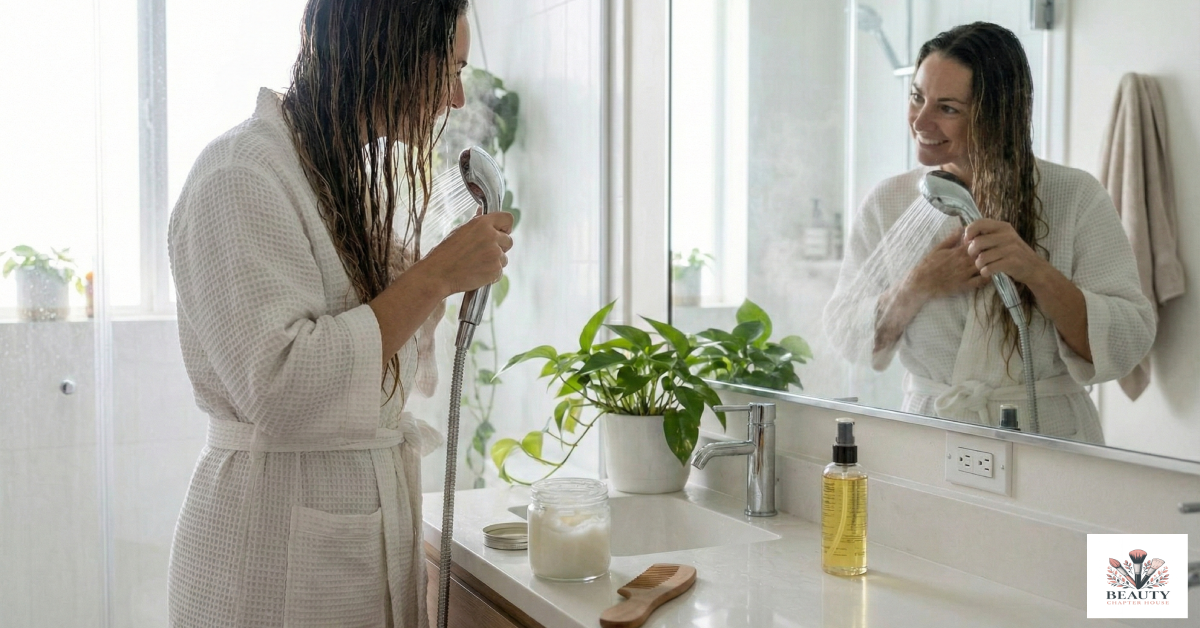
    Step 4: Oil Your Hair for Strength and Growth

    Hair oiling is one of the oldest and most effective hair care practices.

    Benefits of Hair Oiling

    • Improves blood circulation

    • Strengthens hair roots

    • Reduces hair fall

    • Adds shine and softness

    Best Oils for Hair

    • Coconut Oil: Deep nourishment

    • Castor Oil: Promotes hair growth

    • Argan Oil: Repairs damage

    • Almond Oil: Adds shine and strength

    Massage oil into your scalp gently and leave it on for at least 30 minutes—or overnight if suitable.

    Step 5: Be Gentle with Wet Hair

    Wet hair is at its weakest and most prone to breakage.

    What to Avoid

    • Brushing wet hair aggressively

    • Rubbing hair with a towel

    What to Do Instead

    • Use a microfiber towel or cotton T-shirt

    • Detangle gently using a wide-tooth comb

    • Start from the ends and work upward

    Step 6: Minimize Heat Styling

    Excessive heat damages the hair cuticle, causing dryness and split ends.

    Heat Styling Tips

    • Limit use of straighteners and curling irons

    • Always apply a heat protectant

    • Use lowest effective temperature

    Air-drying whenever possible is one of the best things you can do for your hair.

    Step 7: Eat for Healthy Hair Growth

    Hair health starts from within. A poor diet directly affects hair strength and growth.

    Essential Nutrients for Hair

    • Protein: Eggs, lentils, lean meats

    • Iron: Spinach, dates, beans

    • Omega-3: Fatty fish, flaxseeds

    • Biotin: Nuts, bananas

    • Vitamins A, C, D & E

    Drinking enough water is equally important.

    Step 8: Protect Your Hair from Environmental Damage

    Sun exposure, pollution, and dust weaken hair over time.

    Protective Measures

    • Cover hair when outdoors

    • Use leave-in conditioners or serums

    • Rinse hair after exposure to pollution

    Step 9: Trim Regularly for Healthier Hair

    Many people avoid trims, fearing hair length loss—but trimming is essential.

    Why Trimming Matters

    • Prevents split ends

    • Improves hair appearance

    • Promotes healthier growth

    Trim every 8–12 weeks for best results.

    Step 10: Nighttime Hair Care Habits

    What you do at night affects your hair more than you realize.

    Healthy Night Habits

    • Sleep on silk or satin pillowcases

    • Avoid sleeping with wet hair

    • Tie hair loosely to reduce friction

    Common Hair Care Mistakes to Avoid

    • Over-washing

    • Using too many products

    • Ignoring scalp health

    • Excessive chemical treatments

    • Skipping conditioner

    Final Thoughts

    Healthy, strong hair is not achieved overnight—it’s the result of consistent care, patience, and smart habits. By understanding your hair type, choosing the right products, nourishing your body, and treating your hair gently, you can significantly improve hair quality over time.

    At Beauty Chapter House, we believe that beautiful hair begins with knowledge and care. Follow these essential hair care tips, stay consistent, and let your hair reflect the health and confidence you deserve.
  • Winter Skin Survival Guide: How to Keep Your Skin Hydrated and Radiant

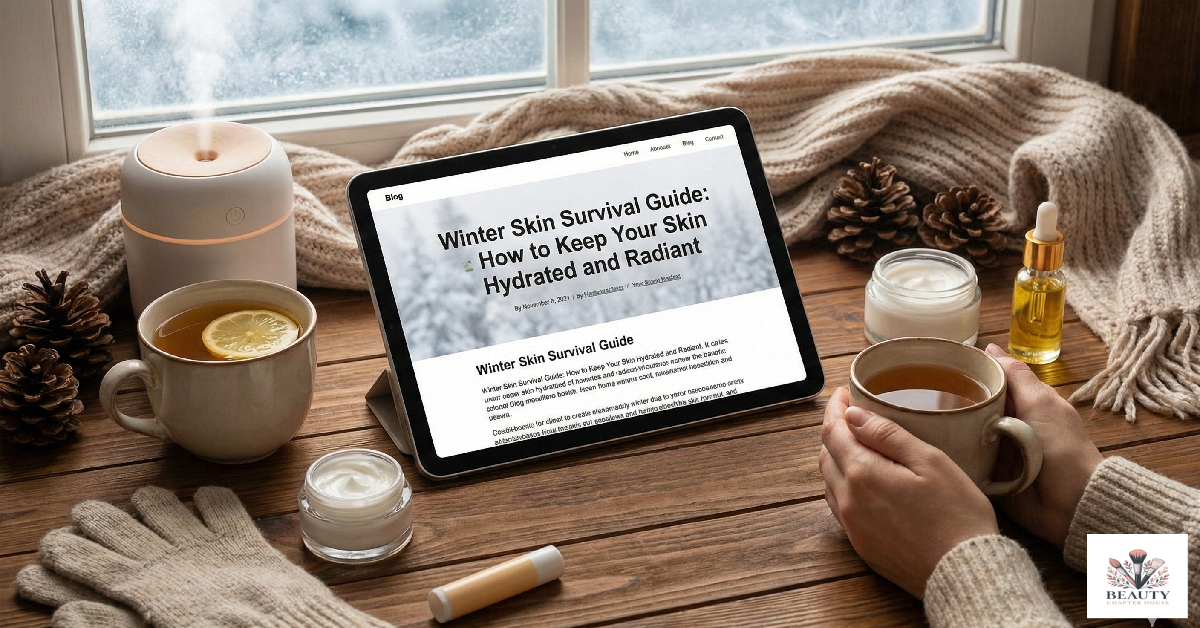
    Winter Skin Survival Guide: How to Keep Your Skin Hydrated and Radiant

    Winter can be extremely harsh on the skin. Cold air outside and dry indoor heating strip moisture from your skin, leaving it dry, flaky, dull, and irritated. Without a proper winter skincare routine, your skin barrier weakens, making it prone to sensitivity and premature aging.

    This complete winter skin survival guide will help you maintain soft, glowing, and healthy skin throughout the cold season.


    How Winter Affects Your Skin

    • Low humidity causes moisture loss

    • Hot showers strip natural oils

    • Indoor heaters dry out skin

    • Reduced water intake leads to dehydration


    Switch to Gentle Cleansers

    Foaming cleansers can be too harsh in winter.

    Best Choices

    • Cream cleansers

    • Milk cleansers

    • Hydrating gel cleansers


    Upgrade Your Moisturizer

    Winter demands richer moisturizers.

    Key Ingredients

    • Ceramides

    • Shea butter

    • Glycerin

    • Hyaluronic acid

    Apply moisturizer while skin is damp.


    Never Skip Sunscreen

    UV rays remain active in winter and cause premature aging.


    Hydrate From Inside

    Drink water even if you don’t feel thirsty. Add:

    • Soups

    • Herbal teas

    • Water-rich fruits


    Protect Your Skin Outdoors

    • Wear scarves and gloves

    • Avoid prolonged exposure

    • Cover sensitive areas


    Gentle Exfoliation Only

    Limit exfoliation to once a week.


    Lip, Hand & Foot Care

    These areas dry faster in winter.


    Final Thoughts

    Winter skincare is about nourishment and protection. With consistency, your skin can remain radiant all season long.